
South African electric mobility company Everlectric has reached a significant milestone, with its commercial electric vehicle (EV) fleet surpassing 11 million kilometres on local roads, while preventing more than 2,500 tonnes of carbon emissions.
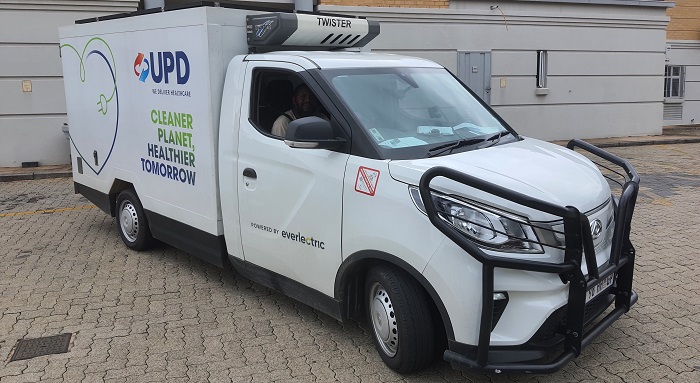
The achievement marks one of the strongest real-world indicators to-date that electric commercial fleets can operate reliably at scale in SA’s logistics sector, where adoption is still in its early stages.
But for Jan-Willem Pelser, Head of Operations at Everlectric, the number tells only part of the story.
“The 11 million kilometres matter,” says Pelser. “But what they really represent is years of figuring things out sometimes the hard way.”
When Everlectric began deploying EVs in 2021, electric commercial fleets were still largely untested in South Africa’s logistics environment. Today, the company operates more than 200 electric vehicles across the country, supporting daily delivery routes for partners including Woolworths, FedEx, UPD and DSV.
Learning in real conditions
Unlike controlled pilot projects, Everlectric’s fleet was built in live operating conditions against the backdrop of one of South Africa’s most challenging constraints: load shedding. “We didn’t have the luxury of perfect conditions,” Pelser explains. “We had to build systems that worked in the real world, where power isn’t always guaranteed and operations can’t stop.”
That reality forced the team to rethink how fleets are managed. Charging couldn’t be treated as a simple overnight activity it had to become dynamic, responsive, and tightly integrated with operations.
Over time, Everlectric developed systems that actively manage energy usage across the fleet, combining real-time vehicle data, route planning, and charging availability.
“We’ve had to become very deliberate about how and when vehicles charge,” says Pelser. “Today, we can see what’s happening across the fleet in real time and make decisions that keep vehicles moving, by monitoring vehicles, chargers and routes in real time, allowing us to optimise charging around electricity availability and keep vehicles running efficiently.”
Different vehicles, different thinking
The data gathered over 11 million kilometres has also reinforced that EVs behave differently from traditional internal combustion vehicles.
While electric vehicles require less routine maintenance and benefit from reduced wear due to regenerative braking, Pelser is quick to point out that the real gains come from how fleets are managed.
“There’s a tendency to think EVs are just a like-for-like replacement,” he says. “They’re not. You have to think differently about energy, driver behaviour, and how routes are structured.”
That shift is where many businesses either succeed or struggle in adopting electric fleets.
Moving beyond pilots
For Everlectric, the milestone signals something bigger than operational scale, it reflects a shift in mindset across the market.
“A few years ago, most conversations were theoretical,” Pelser says. “Now, more businesses are asking practical questions: How does this operate day to day? What does it take to run reliably?”
“These kilometres demonstrate that electric fleets can work in demanding, real-world environments even in a market as complex as South Africa.” Pelser added.