
Business Unity South Africa is saddened by yesterday’s announcement from the US Trade Representative that the US administration intends to terminate South Africa's preferential access to the US market under the African Growth and Opportunity Act (AGOA) from 2027. This news was, regrettably, not unexpected given the current state of relations between our two governments.
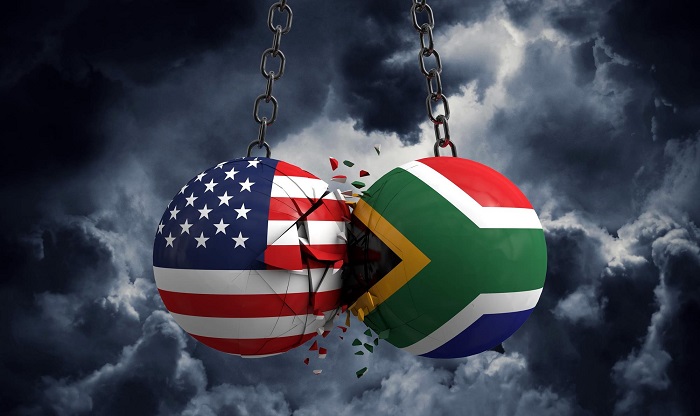
Public debate on losing AGOA has, in our view, strayed significantly from its likely impact on the ground.
The loss of AGOA means the loss of preferential tariff access (worth around USD55 million in tariff savings last year); it does not halt trade with the US, and any tariff is paid by US importers rather than South African businesses. It will raise prices for US buyers of some South African products. In reality, the broader array of US tariffs – including the 12.5% so-called 'forced labour' tariff and others on specific goods – is already having a far greater impact on the prices of South African goods in the US. The Section 232 national-security tariffs on cars, metals and other products alone add around USD450 million a year in duties – about eight times what AGOA saved. Losing AGOA will add around 3.6 percentage points to tariffs on the goods it covered – a minor increment compared to the tariffs already in place. The composition of South African exports to the US has also shifted markedly over the past two years under this administration's policies, particularly in automotives and other manufactured goods.
South African firms are therefore likely to experience weaker US demand, especially in key agricultural goods. That said, South Africa's exports possess deep underlying strengths, especially in agriculture, such as counter-seasonal supply to the US market. Agricultural exports to other markets are also growing strongly, particularly to the rest of Africa, China, other parts of Asia and the Middle East. In the year to August, farm and food exports to the US fell by 22%, but sales to other markets rose by 9% to USD15.7bn – an increase nearly ten times the US loss.
The hardest hit will be firms most exposed to US trade, particularly in the Eastern Cape and Western Cape – which account for about 40% of US-linked jobs on a fifth of the trade – and they will need time and support to find new buyers. Jobs will be lost – the last thing South Africa needs in the midst of an employment crisis. But perspective matters: the number of jobs affected is likely to be in the range of a few thousand, not more – not the hundreds of thousands suggested in some commentary.
The broader economy is likely to see very limited impact, and we do not expect it to dent overall growth. Business sentiment, however, may take a knock.
More concerning is that this action has been linked – including in a social media post from the US ambassador after the announcement from Washington – to wider punitive actions by the US administration against South Africa's government and economy. These have included visa bans on an undisclosed list of South Africans associated with certain policies, including empowerment.