
The safety of drivers and other road users remains a major cause of concern for fleet managers. Road traffic injuries are among the leading causes of death worldwide and an uncomfortable truth is that human error is still estimated to be a contributing factor in up to 90% of road traffic collisions.
Statistics like these have propelled the industry to act. In recent years we have seen a number of measures introduced to help make the roads safer in South Africa and globally - from in-cab technology that can detect swerving and harsh braking to restrictions on working hours, with commercial drivers generally limited to a maximum shift length of 15 hours per day.
While these efforts have helped, it’s the drivers themselves who must be at the heart of any meaningful effort to improve road safety. This means empowering them to make the best possible decisions on the road through a combination of the right technology paired with human-centred coaching and support.
Identifying risk
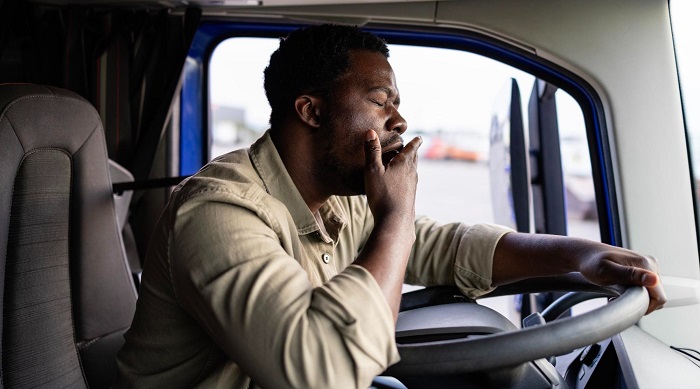
The first step in any driver empowerment programme must be to identify risky behaviours early so that proactive steps can be taken to prevent them from escalating. Fatigue is a prime example of this, mainly because it does not always present obvious warning signs and can therefore be incredibly difficult to detect. Yet its impact can be catastrophic. For example, a five-second microsleep at 100km/h means a vehicle can travel more than 130 metres completely uncontrolled - roughly the length of a rugby field.
Advancements in AI-powered video telematics are making it easier to recognise the signs of fatigue and other behaviours that drivers may or may not be aware of - including distraction, failure to wear a seatbelt or using a mobile device. This technology can act as a powerful ally, helping drivers by identifying risk as it happens with far greater accuracy. This includes being able to distinguish between a driver looking down momentarily and their head drooping involuntarily as a result of tiredness. When risk is detected, drivers then receive real-time alerts through seat vibration or audio-visual warnings, encouraging them to take corrective action before things escalate.
Putting drivers in the driving seat
Recognising and preventing risk in-the-moment is not the same as treating the root cause. To deliver long-lasting behavioural change, managers must pair this with ongoing coaching and support. One example is online self-coaching, where drivers can review risky events they triggered, privately at their leisure following a shift. Risky behaviour can often result from a brief lapse in concentration or something that did not register with the driver in the moment. Watching themselves on video brings the event more firmly into their conscious awareness, enabling them to review their overall driving style and identify any recurring behaviours. When this is followed by targeted micro-learning content explaining why the behaviour is risky and how it can be avoided, drivers are empowered to take corrective action.
We have seen first-hand how powerful this type of training can be. We worked with one of the leading providers of logistics and supply chain solutions across Sub-Saharan Africa to introduce an app which allows drivers to carry out self-review and take charge of their own improvements. In just four months, the company saw risky behaviours across the fleet reduced by 67% and the frequency of risky events reduced by 37%.
For managers, this approach helps make coaching more targeted, enabling them to prioritise higher-risk events and reserve face-to-face support for the moments where it will have the greatest impact.
A human-centric approach
Empowering drivers to take ownership of their behaviour is only one part of the equation; managers must also recognise the human pressures that shape how drivers perform behind the wheel. A driver whose psychological wellbeing is compromised through stress or tiredness is at a much higher risk of causing an accident on the road, with behaviours such as distraction and fatigue some of the most common causes of fatal crashes.
Alongside online coaching, constructive, human-centred conversations can help uncover any pressures a driver may be facing outside work. A personal concern may have a serious impact on driving performance but be difficult for a driver to disclose. Insights flagged from coaching, as well as bigger data patterns, can help both driver and manager understand where small changes could make a meaningful difference. That might mean targeted coaching for the driver, or a manager reviewing shift patterns to help ease a concern.
Bringing drivers on the journey
For any device or app to be most effective, fleets must achieve driver buy-in. Nobody wants to feel that they are being watched, so it’s essential to speak to drivers early, explaining what the technology does, what data will be captured and how it will be used. That may involve a driver presentation or training for management teams, but fundamentally, drivers should never arrive at work to find new technology in place without warning. Taking the time to explain the driver’s own position of control with regard to the technology means drivers will be more engaged, more aware of their own driving patterns and more likely to see safety technology as something designed to protect them.
The commercial case for this kind of improvement is every bit as compelling as the safety case. Each incident creates costs far beyond the initial damage, including vehicle downtime, repairs and maintenance, higher insurance premiums, potential litigation, and the administrative burden of handling a claim.
Reducing risky driving behaviour at scale therefore does more than prevent collisions; it also lowers the frequency and cost of these wider consequences. For fleet managers under pressure to justify investment in safety, driver empowerment is not simply a cost centre - it can help protect margins. The benefits also extend to workforce stability. With the industry facing an estimated shortfall of 15,000 drivers, investing in driver safety and wellbeing can support recruitment and retention.
When drivers are brought into the process and given tools to understand their own behaviour, safety programmes instantly become more effective. By prioritising driver empowerment, managers can protect their people, strengthen performance and build a culture where technology, management and drivers are working towards the same goal: ensuring every journey ends safely home.

Inge-Marie Hilligan, group executive for product and culture at Optix