
As geopolitical tensions in the Middle East continue to disrupt key global trade routes, Exporters Western Cape (EWC) says the Cape of Good Hope is once again becoming a viable alternative for international shipping, but warns that South Africa must act quickly to turn this into a sustained advantage.
EWC Chairman Terry Gale said escalating instability, coupled with ongoing risks to vessels transiting through the Suez Canal and Red Sea, as well as heightened tensions around the Strait of Hormuz, was already influencing global shipping patterns.
Recent instability across key maritime corridors is contributing to rising insurance costs, longer transit times and increased schedule uncertainty, prompting some carriers to reassess traditional routes and consider more predictable alternatives.
“Shipping lines are making decisions to mitigate risk, avoid delays and protect cargo. In this environment, routing around the Cape of Good Hope is not a theoretical option. It is already happening,” said Gale.
While diversions around the southern tip of Africa add distance, he said predictability, safety and schedule integrity were increasingly outweighing pure cost considerations.
“In a volatile market, reliability becomes the priority. If vessels cannot move through traditional corridors with confidence, they will seek alternatives. That places the Cape directly on the map.”
However, he cautioned that geography alone would not be enough.
“This is a time-sensitive opportunity. If South Africa wants to benefit, our port and logistics systems must be able to respond efficiently to increased volumes and shifting trade flows.”
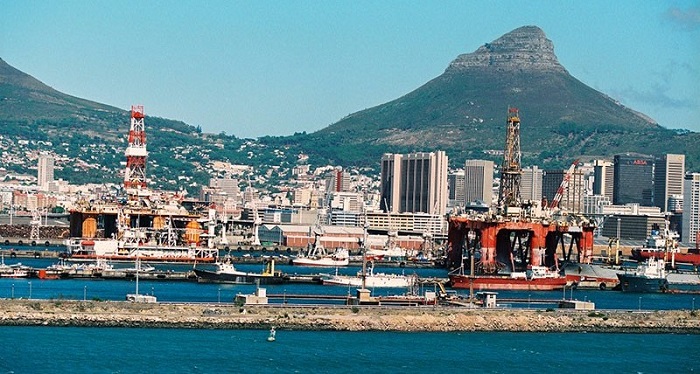
Gale said the Port of Cape Town had the potential to play a far more prominent role, but consistency in performance remained critical.
“We have seen what the port is capable of under the right conditions. The challenge is maintaining consistent performance, particularly in the face of wind disruption and ongoing equipment constraints.”
He added that the opportunity extended beyond the port itself.
“This is not just about vessels calling at port. It requires alignment across the value chain from terminal operations to transport, warehousing and clearing. If that alignment is in place, the economic benefit for the Western Cape and South Africa can be significant, including growth in ship services, bunkering and broader logistics support.”
Despite the opportunity, timing must be decisive, said Gale.
“Global shipping patterns shift quickly. If we are not ready now, those opportunities will move elsewhere just as fast.”
EWC has called for closer collaboration between industry and government to ensure that enabling conditions are in place.
“We need a coordinated, proactive approach. The private sector is ready to support this, but it requires urgency and a clear focus on execution. The Cape has always been strategically positioned. We must now convert this into a real, sustained trade advantage,” said Gale.