
As warehouses and cold-chain operations face growing pressure to improve efficiency while managing costs, selecting the right motive power solution has become increasingly important.
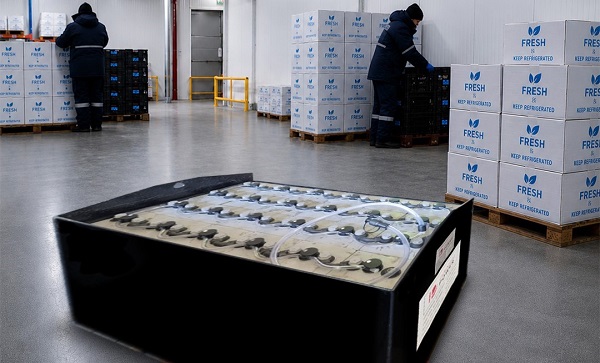
While lithium-ion batteries continue to gain traction, lead-acid batteries remain a practical, reliable and cost-effective choice for many operations when paired with disciplined charging and maintenance practices. They offer a lower upfront cost while delivering reliable performance, are highly recyclable and typically achieve around 70% to 80% energy efficiency, depending on operating conditions and maintenance practices.
Reliable motive power is not determined by purchasing the most expensive battery.
It's about selecting the right battery for the application. In low-utilisation, single-shift operations, lead-acid batteries often provide the most cost-effective and dependable solution because there is ample time for charging and routine maintenance.
In high-utilisation, multi-shift environments where maximum uptime is essential, lithium-ion batteries offer advantages such as opportunity charging, minimal maintenance and high energy density. Reliability comes from matching the battery technology to operational requirements rather than choosing a solution based solely on price.
Lead-acid batteries continue to play an important role in modern warehouses because many operations do not require around-the-clock uptime. In single-shift or lower-utilisation environments, they provide dependable performance, can be charged overnight and require relatively straightforward maintenance.
Even in demanding operations, lead-acid batteries remain a viable option. With planned battery switches, businesses can support continuous operations for up to 23 hours a day while maintaining productivity with minimal disruption.
The strength of lead-acid technology lies in its proven reliability and excellent value. Its lower upfront cost, established service network, ease of recycling, low self-discharge rate and suitability for operations with predictable charging schedules often result in the lowest total cost of ownership for lower-utilisation applications.
A low self-discharge rate means the battery retains its stored energy for longer when not in use, reducing the need for frequent recharging and ensuring equipment is ready when required.
Charging technology also plays a significant role in battery performance and lifespan. Smart chargers continuously monitor battery condition and automatically adjust charging parameters to suit the battery's state of charge. This helps prevent overcharging, reduces heat generation, improves charging efficiency, protects battery cells and extends service life, maximising return on investment.
Lead-acid batteries also remain one of the world's most sustainable battery technologies. They are among the most recycled consumer products globally, with the lead, plastic and electrolyte all reusable, supporting a circular economy while significantly reducing waste.
Lead-acid is not dead. It remains one of several highly effective technologies available today. The right choice is the battery that delivers the best balance of performance, uptime, sustainability and cost for the specific needs of each operation.

Alexander Campbell, Area Sales Consultant at Industrial Power, a division of CFAO Equipment