South Africa’s automotive industry is at a turning point. The potential closure of a major German car plant goes beyond one factory closing. East London would feel the immediate impact, but it would expose weaknesses across the entire sector and raise concerns about the country’s manufacturing future.
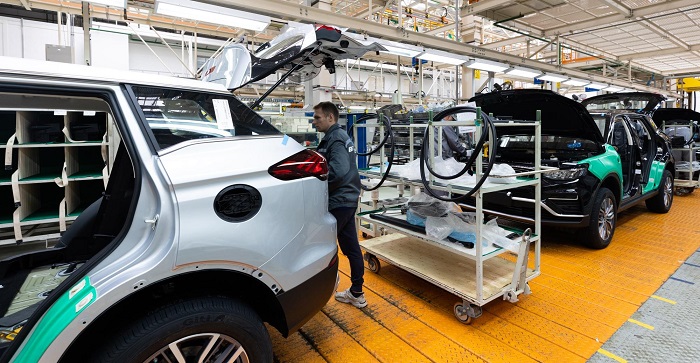
The automotive sector drives about 25% of East London’s economy. A shutdown will result in thousands of direct jobs being cut and affect suppliers, logistics, maintenance, security, and other services. Nationally, over 100,000 jobs could be at risk when the full supply chain is counted.
Investments in plants, machines, and infrastructure risk sitting idle, wasting resources. Exports would drop as cars for overseas markets stop coming from South Africa. Worst of all, it could send a message to global investors that the country is too risky, scaring off new money not just in cars but in other manufacturing too. This is a problem for the whole nation, not just one area.
The social cost of decline
The social fallout could be severe. The Eastern Cape already faces high unemployment, and mass layoffs could push more families into hardship. Car plants train artisans, technicians, and engineers, helping young people build their skills. Closing these plants would disrupt this training system and harm efforts to create jobs and develop technical talent. As incomes drop, local shops and services are likely to lose business, leading to more job cuts. Eventually, workers might move to other provinces, putting pressure in those areas.
An Opportunity in the Shift to EVs
South Africa can turn this around. Chinese car brands are leading in electric vehicles (EVs) worldwide. The fact is that these brands are here to stay in South Africa, but the opportunity lies in encouraging these manufacturers to existing plants, local skilled workers, and local suppliers. This would shift from importing cars to producing them locally, aligning with goals for green industry growth.
South Africa’s location gives access to Southern African markets without duties under the African Continental Free Trade Area. Trade deals also open doors to Europe and beyond. With a solid supply chain, it could become a base for EV production if policies support it.
Challenges in a cost-driven market
South Africa’s production costs are higher than those in China. The Government must take action. Recent tax breaks for EV and hydrogen vehicle investments are a good start, especially for new equipment.
But more is needed. We need rebates for companies that hire locally and follow content rules. Additionally, there should be funding to update plants and assist suppliers in transitioning to EV parts. Without a plan to reduce costs, investments will go to other countries.
To reduce reliance on imported vehicles, the government should increase import duties, establish clear long-term EV policies and enforce local content requirements in collaboration with suppliers. Additionally, streamlining regulations will facilitate market entry for new participants. Consistent and transparent policies are essential to guide industry decision-making.
Protecting workers
Recent layoffs highlight the need for a worker transition plan. We cannot afford to lose these skilled workers. Government, industry, training bodies, and schools need to work together to help workers reskill for EV assembly, batteries, and advanced manufacturing. Incentives for EV firms to hire laid-off workers would save jobs and keep expertise alive.
South Africa is at a critical point in its automotive journey. Without action, it faces decline, job losses, and weaker global standing. But with smart policies, incentives, and skills focus, it can become a hub for EV manufacturing. The risks are real, but the chance to succeed is too.

By Maureen Phiri, Director at Oxyon People Solutions