
Right now, somewhere on the N3, a driver may be over his legal hours. Not because he's reckless, but because he's exhausted, chasing an unrealistic deadline.
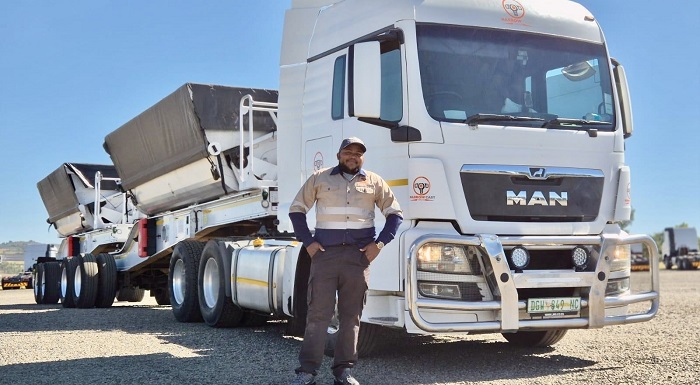
This isn't a rare story. It's daily reality for thousands of South African truck drivers. Yet the industry still frames road safety around vehicles, cargo and delivery targets, while the people behind the wheel are treated as expendable.
They're not.
The quiet emergency
Fatigue is one of the most dangerous risks on our roads, precisely because it's invisible. There's no dramatic headline, no smoking wreckage on the evening news, just a driver blinking hard against heavy eyelids somewhere on a dark stretch of highway. Long-haul drivers routinely work demanding schedules with too little quality rest, and research into South Africa's trucking sector points to excessive hours and interrupted sleep as the norm, not the exception.
A tired driver isn't merely uncomfortable. Fatigue erodes concentration, slows reaction time and dulls awareness. Behind the wheel of a heavy vehicle carrying tonnes of cargo at highway speed, that's not a minor inconvenience, it's catastrophic, and it's happening on our roads every single day, largely unnoticed until something goes wrong.
Here's what the industry too often gets wrong: fatigue is treated as a personal failing, a driver's problem to manage alone. It isn't. When drivers are routinely expected to hit unrealistic schedules, or to keep driving without adequate rest because the load has to arrive on time, the problem is systemic. It sits with the operators who set the schedules, not just the drivers who execute them. A delivery deadline should never outweigh a human life, and yet in practice, it too often does.
What responsible operators owe their drivers
Driver safety can't be an optional line item, trimmed when budgets tighten or targets loom. It has to be built into how logistics businesses operate, from the way routes are planned to the way rest is protected.
That starts with respecting legal driving and rest limits, not as a compliance checkbox but as a genuine operating principle. A missed delivery window is recoverable. A fatal crash isn't. It means setting realistic schedules from the outset, so drivers are never forced to choose between meeting a deadline and getting the rest they need. It means providing rest facilities where drivers can genuinely sleep, not just stop, so that the hours logged as "rest" actually restore them. And it means building a culture where drivers can speak up. A driver who flags fatigue, or who says a schedule is unsafe, should be heard and supported, not penalised for slowing things down.
Above all, operators need to recognise that driver safety and business performance aren't competing priorities. A rested driver is a safer, more capable driver. A safe operation is, in the end, a sustainable one.
Protect the people who keep SA moving
South Africa's logistics sector keeps the economy running, and drivers are the backbone of that system. They deserve more than a vehicle, a route and a deadline. They deserve to know that their employer has done everything reasonably possible to bring them home safely, rested and alert, not just alive but well.
At Narrowcast Trans, we believe professional drivers and well-maintained fleets are only half the equation. Real road safety demands a culture that values the person behind the wheel as much as the cargo in the trailer. The objective was never just to deliver the load. It's to deliver the load and bring the driver home.
South Africa's freight industry can't afford to keep treating its drivers as expendable. Their safety, and their rest, belongs at the centre of every route, every schedule, every journey.

Thebe Van Wyk, Narrowcast Trans