
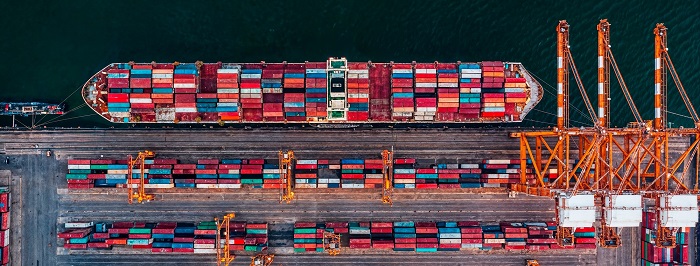
South African importers and exporters are increasingly exposed to disruption not only from port congestion, but from growing volatility and tighter regulatory scrutiny across the freight chain. While congestion remains a headline issue, the more immediate risk for manufacturers, retailers and industrial shippers lies in unpredictable vessel schedules, fragmented handovers and documentation errors often identified only after arrival.
“Cargo can move from ‘on track’ to ‘at risk’ very quickly,” says Taylor Marais, co-founder of Titan Tides Logistics. “When vessel windows shift or cut-offs change, planning and delivery commitments are immediately affected. The biggest failures happen when no single party owns the shipment end-to-end.”
Many of the most costly delays at South African ports are driven not by missing paperwork, but by misaligned documentation across invoices, packing lists, permits and transport documents, triggering inspections and clearance holds.
“There is far less tolerance for post-arrival corrections,” Marais adds. “Classification, declared use and end-use are being scrutinised upfront, with clear audit trails expected.”
The risk is amplified for high-value or specialised cargo such as vehicles, machinery and industrial equipment, where regulatory exposure, inspections and storage build-up can escalate costs quickly.
Lorraine Candy, co-founder of Titan Tides Logistics, notes that misalignment between origin and destination partners is a recurring issue. “Export legs may run smoothly, but import-side requirements aren’t always confirmed early enough. Once cargo lands, shipments become reactive.”
Looking ahead, continued schedule volatility, uneven port performance and stricter enforcement are expected over the next 12–18 months. Businesses that treat compliance and coordination as part of planning, rather than a scramble after arrival, are better positioned to avoid disruption.
“Technology gives visibility,” Candy adds, “but people still prevent disruptions by intervening early and clarifying intent before issues escalate.”