

Africa is on the cusp of a significant shift in intra-continental trade, with the African Continental Free Trade Area (AfCFTA) unlocking a new wave of e-commerce growth driven by mobile-first consumers and fintech innovation. Intra-African trade under the AfCFTA reached US$208 billion in 2024, representing a 7.7 percent year-on-year increase.
According to the United Nations Economic Commission for Africa, full implementation of the agreement could add more than US$450 billion to Africa’s GDP by 2035.
Realizing this opportunity will ultimately require Africa to strengthen the cross-border infrastructure required to move goods, money and data at scale.
At the centre of this growth is logistics. While digital platforms make it easier than ever for a small business in South Africa to sell to a customer in Kenya or Nigeria, the transaction only succeeds if the physical movement of goods is reliable, predictable and fast.
For AfCFTA to deliver on its promise, cross-border infrastructure needs to function as a connected system. Customs authorities must be able to share information, clear goods efficiently and reduce non-tariff barriers that quietly erode competitiveness. The real opportunity is to make sure customs systems talk to each other. Without that, moving goods across borders remains slow, unpredictable and costly for businesses of all sizes.
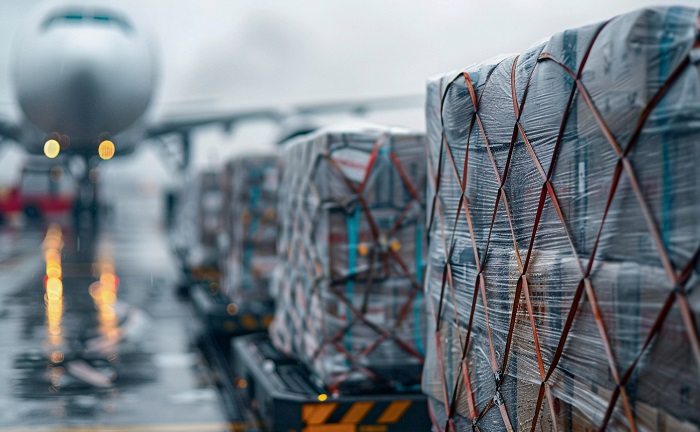
Air cargo capacity and regional freight routes will also play a defining role. As e-commerce volumes grow, so does demand for time-sensitive delivery, particularly for high-value goods, medical supplies and perishable products. Expanding regional air links and strengthening secondary hubs will be essential to reducing reliance on long, indirect routes.
However, logistics alone cannot remove all friction. Payment security, fraud risk and trust remain critical concerns, especially for small and medium enterprises entering new markets. This is where collaboration between logistics providers, fintech platforms and governments becomes vital. Integrated digital solutions that link payments, customs documentation and shipment tracking can significantly lower the risk for both buyers and sellers. Trust is a major factor in cross-border trade. Businesses need confidence that they will be paid, that their goods will arrive, and that the process is transparent from end to end.
Global logistics players have a unique role to play in this ecosystem. With established networks, compliance expertise and on-the-ground presence, they can act as intermediaries that simplify complexity for SMEs.
Your logistics solution provider of choice should work closely with customers to vet shipments, manage customs requirements and integrate digital tools that support secure cross-border trade. Crucially, this support allows smaller businesses to compete in markets that were previously out of reach. Entrepreneurs no longer need large export teams or regional offices to sell across borders. With the right logistics and digital infrastructure in place, they can plug into continental trade flows and scale faster.
At FedEx, we don’t just deliver parcels,” he adds, “We power growth by building logistics solutions that help businesses trade with confidence across Africa and the world.

Nelson Teixeira, managing director of Operations for Sub-Saharan Africa at FedEx believes