

As South Africans buy bigger, more expensive items online, demand is rising for delivery services that go beyond the front door. White glove delivery is no longer about luxury. Rather, it’s a practical response to the way e-commerce has changed.
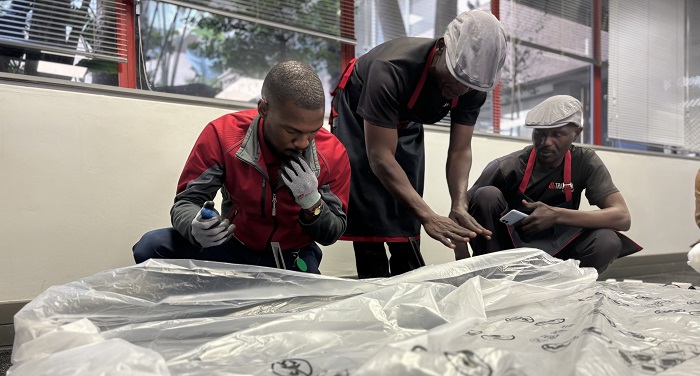
Shoppers (and that includes South African consumers) are increasingly buying large and expensive items online, from appliances and high-end electronics to furniture that simply cannot be left on the driveway.
As basket values rise, so do consumer expectations around certainty and security after checkout. Shoppers want to know that when their pricey purchases come, they will arrive safely and be installed, tested and ready to use. During the festive season in particular, when timing matters and tolerance for errors is all but non-existent, these expectations are taken to new levels. This is where white glove services come in, allowing customers to manage the complexity that comes with these purchases.
Global growth shows this is not a niche trend
According to Market Growth Reports, the white glove delivery movement has become mainstream. More than 25% of furniture and appliance deliveries require some form of setup or installation service. The market reflects this shift. In 2024, the market was valued at around 24.6 billion (USD), and it has grown to a notable 26.3 billion (USD) in 2025. What’s more, the white glove market is estimated to blossom to a notable 44.9 billion (USD) by 2033, which represents a compound annual growth rate of 6.9%. In developed e-commerce environments, white glove delivery is no longer treated as an add-on. It is increasingly built into how high-value goods are sold and delivered.
Is South Africa following the same curve?
The local market is no different, with trends reflecting those seen on an international scale. Admittedly, South Africa is at an earlier stage, with uneven growth noted from month-to-month. However, the overall direction is clear, particularly as online retail matures and product categories grow. It’s clear to see that local patterns are aligning with more mature markets, not diverging from them. This shift is being driven by trust and confidence, not excess.
When people spend more online, they want certainty at the point of delivery. Services that reduce friction, confirm functionality and remove ambiguity are becoming part of how retailers protect both their brand and the buyer experience.
White glove services have evolved beyond delivery
These days, white glove delivery typically includes installation and post-delivery testing as standard. This evolution matters most for high-ticket items where failure at handover creates immediate disputes, costly returns, and quite possibly, the damage of a brand’s reputation. A six-figure television (yes, some advanced televisions can cost upwards of R100,000), for example, is not simply carried into a customer’s home.
It has to be mounted and positioned securely and according to the customer’s requirements, powered on, and confirmed to be working before sign-off can happen. That moment of confirmation importantly reduces uncertainty for the buyer and removes grey areas for both the retailer and logistics provider. Fewer returns and claims pave the way towards clearer accountability.
Why this matters most - especially during the festive season
The festive period places the entire delivery chain under pressure. Volumes peak, delivery windows narrow and the consequences of failure become more visible. Shoppers want purchases completed before holidays or gifting deadlines, not left unresolved in January. White glove services reduce returns anxiety and remove the burden of heavy lifting and technical setup. Furthermore, it also helps retailers maintain service quality under strain. In a season defined by urgency, certainty becomes a differentiator and separates professional logistics companies from their lesser counterparts.
White glove delivery is becoming an infrastructure for high-value e-commerce rather than a premium extra. Globally, the shift is well-established. In South Africa, festive demand is accelerating a change that is already underway. As convenience, confidence, and confirmation increasingly shape purchase decisions, services that deliver more than a box at the door are setting the new standard for online retailers and their logistics partners.

Ryan Gaines, CEO of City Logistics